

SpyCas9a
Cas ID
RESOURCES
- Species Streptococcus pyogenes M1 GAS strain SF370link
- Genome Assembly NC_002737.2link
- Gene ID 901176link
- Protein ID WP_010922251.1link
- UniProtKB Q99ZW2link
- CDD COG3513link
- Nucleotide Sequence FASTA 2
- Amino Acid Sequence FASTA 1
- crRNA (Ex) FASTA 3
- sgRNA Sequence (Ex) FASTA 4
- tracrRNA Sequence (Ex) FASTA 3
- Direct Repeat (Native) FASTA 3
CLASSIFICATION
- Cas ID 1.1.1
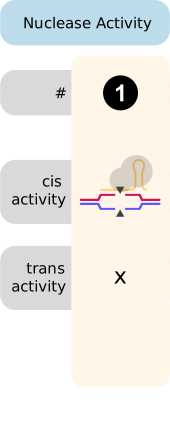
- Nuclease Activity Target dsDNA + no trans-activity. Blunt cut.
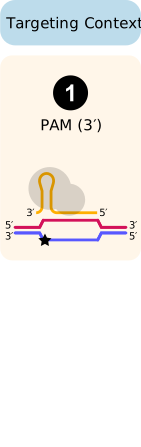
- Targeting Requirement 3' PAM
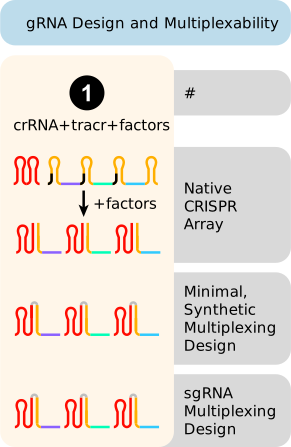
- gRNA and Multiplexability crRNA + tracr + endogenous
- Class 2 subtype II-A
- PAM or PFS NGG
DESCRIPTION
Summary
The first demonstration of RNA-guided DNA targeting by Cas9 from Streptococcus pyogenes (SpyCas9) 1 , and consequent demonstration of its ability to edit mammalian genomes 4 , initiated a revolution in fundamental biology and therapeutic development.
In its native context, SpyCas9 complexes with a CRISPR RNA (crRNA) and a trans-activating CRISPR RNA (tracrRNA) to form the active ribonucleoprotein (RNP) 3 . The SpyCas9 RNP then searches for a PAM sequence 5’-NGG-3’ situated directly downstream of the target sequence in the DNA, forms an R-loop complex where one of the DNA strands is base-paired to the complementary spacer of crRNA, and uses two catalytic domains (RuvC and HNH) to cleave both DNA strands 1 . The ease of reprogramming SpyCas9 RNPs to target various DNA sequences (when a PAM is present nearby) makes this enzyme highly attractive for genome-engineering applications. In most applications, an engineered single guide RNA (sgRNA) is used instead of the natural dual tracrRNA:crRNA guide 1 4 . Double-stranded breaks (DSBs) generated by SpyCas9 RNPs are usually repaired via non-homologous end-joining; however, the ultimate outcome depends on which DNA repair pathway is predominant 5 , which is impacted by absence/presence of a DNA template for homology directed repair (HDR), cell type, chromatin structure, cell cycle, and many other cellular factors.
Applications
SpyCas9 is the most broadly utilized and validated CRISPR editor and has been shown to be highly adept at modifying the genome of many organisms, ranging from phage to humans. Additionally, by leveraging CRISPR-Cas9’s ability to introduce targeted genetic disruptions, scientists have built successful platforms for the rapid creation of knockout animal models, genetic screening6 7 , and diagnostic testing 8 9 .
There are many ongoing CRISPR-Cas clinical trials that utilize SpyCas9. These treatments include many ex vivo cell therapies 10 and emerging systemic in vivo editing in patients 11 . A comprehensive listing of these trials is outside of CasPEDIA's scope but can be found in other resources link link. A more detailed general overview of CRISPR clinical trials: link.
CRISPR-Cas9 has also been extensively harnessed for agricultural purposes, improving plant immunity and nutritional content for staple crops like wheat and rice. A more comprehensive listing of all agricultural CRISPR-Cas9 based engineering can be found in other resources 12 13 14 15 , but several examples may be found in the experimental section of CasPEDIA. A more detailed general overview of CRISPR agricultural engineering: link.
Experimental Considerations
When working with SpyCas9, there are several important experimental considerations to take into account.
Multiple software tools exist for SpyCas9 guide design 16 , to identify suitable high-activity target sites and minimize potential off-target events.
The size of the SpyCas9 coding sequence (CDS) poses a limitation for packaging into adeno-associated virus (AAV), as it approaches the maximum limit of approximately 4.7kb. This accounts for the inclusion of a promoter, termination signal, and sgRNA expression cassette. To accommodate the size constraint, splitting the SpyCas9 CDS into multiple AAV vectors may be necessary especially if using SpyCas9 fusion proteins 17 18 . Other Cas9 orthologs, including SauCas9 19 , Nme2Cas9 20 and SluCas9 21 , are more compact and therefore package more effectively into AAV. In certain cases, it can be advantageous to alter the delivery method of SpyCas9, making the size of its CDS less of a concern. For instance, one option is to deliver SpyCas9 (and its derivatives) as mRNA and sgRNA using lipid nanoparticles (LNPs) 22 , or as preassembled RNPs using virus-like particles (VLPs) 23 24 25 .
Engineered versions of SpyCas9 exist that broaden its PAM targeting 26 27 or improve its specificity 28 29 30 31 . These variants expand the targeting scope of SpyCas9 and may be better suited for certain genome-editing goals.
To minimize non-specific genome editing, commonly referred to as off-target sites, efforts have been undertaken to develop high-specificity variants of SpyCas9, either with rational design 28 29 based on structures 32 33 , or with directed evolution 30 . These specially engineered variants preserve SpyCas9's on-target activity at a comparable level while significantly reducing the occurrence of off-target editing events. It was shown that the alteration of SpyCas9's DNA-cutting kinetics has a major effect on target specificity 34 . A comprehensive evaluation of several high-fidelity variants was made in this study 35 .
A number of fusion proteins have also been generated with SpyCas9, including DNA base editors 36 37 38 39 40 41 42 and prime editors 43 44 45 , which are capable of generating site-specific precise modifications such as single-base substitutions or small deletions and insertions without the need for double-stranded breaks (DSBs) and homology directed repair (HDR).
In addition to directly modifying genomic DNA, SpyCas9 (usually inactive, dCas9) fusion proteins can be harnessed for transcriptional activation 46 or repression 47 , targeted manipulation of epigenetic marks 48 49 , imaging of genomic loci in cells 50 .
It is worth noting that SpyCas9 has tight binding to the targeted DNA and slow dissociation rate following cleavage in vitro. These characteristics make SpyCas9 behave as a single-turnover enzyme 1 51 52 ; however, some orthologs may demonstrate a multi-turnover nature 53 . While stable product binding may be an important consideration for the design of experiments in vitro, studies report that in vivo SpyCas9 is dislodged from the cleaved site by histone chaperone FACT. This process effectively transforms SpyCas9 into a multiple-turnover enzyme within the cellular nucleus 54 . Furthermore, even though the DNA cut produced by SpyCas9 is commonly referred to as blunt-ended double-strand break, in vitro experiments indicate that, following blunt cleavage, nucleotides are then trimmed from at least one of the newly cleaved DNA ends, though this trimming activity occurs on a timescale much slower than that of the initial cut 1 55 56 . In vivo cleavage products with 1–3 nt 5’ overhangs have also been reported based on DNA repair outcomes of Cas9 editing 56 57 56 .

| Tool_Type | Tool | Is_Tool_Applicable | Notes | Citation |
|---|---|---|---|---|
| Delivery and Expression | RNP | Yes | Deliverable as an RNP via electroporation 58 Delivery with cell-penetrating peptides (in cis and in trans) 59 | NaN |
| Delivery and Expression | Lenti | Yes | Primarily used for screening 6 | NaN |
| Delivery and Expression | AAV | No | Exceeds packaging limits as a single construct, but effectively engineered into a split intein system for dual construct delivery 18 | NaN |
| Delivery and Expression | LNP | Yes | LNP has been shown effective for intravenous tissue-selective delivery to liver, spleen, lungs, and kidney 60 . The first systemic CRISPR gene therapy, VERVE-101, was done with liver selective LNP delivery and SpyCas9. | link |
| Delivery and Expression | EDV | Yes | EDVs typically package Cas9 RNP as a fusion to a retroviral polypeptide, delivered as free RNP after cleavage by a co-packaged viral protease. 23 Pseudotyping the EDV with different fusogens can provide target cell specificity. 24 | NaN |
| Delivery and Expression | Other_Delivery | Nanoclews; CRISPR-Gold; Photorhabdus virulence cassette | Nanoclews are DNA-based "ball of yarn"-like nanoparticles generated using rolling circle amplification.61 Gold nanoparticles can deliver RNP and HDR template DNA (if desired).62 NanoMEDIC utilizes small molecule-inducible protein dimerization to recruit Cas9 as cargo into extracellular vesicles.63 Photorhabdus virulence cassettes (PVCs) are extracellular contractile injection systems derived from bacteria engineered to have programmable payloads and tissue specificity 64 | NaN |
| Guide Design | Guide_Design_Algorithm | CRISPOR;CHOPCHOPv3 | NaN | 65 66 |
| Application_Type | Description | Pharmaceutical_or_Product_Name | NCT | Responsible_Party | Delivery_Mechanism | In_Vivo_or_Ex_Vivo_Editing | Citation_or_Publications |
|---|---|---|---|---|---|---|---|
| Human_Clinical_Trial | Phase 1 treatment of hereditary Transthyretin Amyloidosis (ATTR) with lipid nanoparticle (LNP) formulation. | NTLA-2001 | NCT04601051 | Intellia Therapeutics | LNP | In vivo | NaN |
| Human_Clinical_Trial | Phase 1b treatment of Heterozygous familial hypercholesterolemia with LNP base editor formulation. | VERVE-101 | NCT05398029 | Verve Therapeutics, Inc. | LNP | In vivo | NaN |
| Human_Clinical_Trial | Phase 1/2 treatment of hereditary angioedema with lipid nanoparticle formulation. | NTLA-2002 | NCT05120830 | Intellia Therapeutics | LNP | In vivo | NaN |
| Human_Clinical_Trial | Phase 3 treatment of Beta-Thalassemic and related hemoglobinopathies by modifying hemopoietic stem cells at BCL11a enhancer. | CTX001 | NCT05356195 | Vertex Pharmaceuticals Incorporated | NaN | Ex vivo | NaN |
| Human_Clinical_Trial | Phase 1/2 treatment of Beta-Thalassemic and related hemoglobinopathies by modifying hemopoietic stem cells. | EDIT-301 | NCT05444894 | Editas Medicine, Inc. | NaN | Ex vivo | NaN |
| Human_Clinical_Trial | Phase 1 treatment of type I diabetes | VCTX210 | NCT05210530 | CRISPR Therapeutics | NaN | Ex vivo | NaN |
| Human_Clinical_Trial | Beam Therapeutics Inc., Phase 1/2 treatment of severe Sickle Cell Disease. | BEAM-101 | NCT05456880 | Beam Therapeutics Inc. | NaN | Ex vivo | NaN |
| Prokaryotes | CRISPR interference in Escherichia coli | NaN | NaN | NaN | NaN | NaN | NaN |
| Prokaryotes | Gene editing in Streptococcus pneumoniae and Escherichia coli | NaN | NaN | NaN | NaN | NaN | NaN |
| Plant_Agriculture | Staple crops: Wheat 67 , Maize 68 , Sorghum 69 , Rice, Soybean, Potato | NaN | NaN | NaN | NaN | NaN | NaN |
| Plant_Agriculture | Fruits and Vegetables: Tomato 70 , Cucumber, Grapefruit, Oranges, Grapes 71 , Apples 71 , Cavendish Banana 72 | NaN | NaN | NaN | NaN | In Vivo | NaN |
| Mouse | Brain editing by local injection of cell penetrant SpyCas9 59 , In Vivo Base Editing in Mouse Brain liver Heart 18 | NaN | NaN | NaN | NaN | In Vivo | NaN |
| Other_Model_System | Primary Human Lymphocytes 73 | NaN | NaN | NaN | NaN | NaN | NaN |
| Tool_Type | Tool_Name | Description | Citation |
|---|---|---|---|
| Tool | Perturb-seq | CRISPR perturb-seq is a high-throughput functional genomics approach that combines CRISPR-Cas9 gene perturbation with single-cell RNA sequencing to study gene function on a large scale at single-cell resolution. 7 | NaN |
| Tool | CRISPR KO | CRISPR-KO with comprehensive single guide RNAs (sgRNAs) libraries enables efficient genome-wide knockout to disrupt specific genes and interrogate complex gene networks. GeCKO 6 and Brunello 74 libraries. | NaN |
| Tool | Spatiotemporal Editing Control | Spatiotemporal engineering control refers to limiting the editing window to a specific genetic, chemical or physical context, allowing for synchronized activiation of editing, or mitigation of undesirable consequences resulting from extended expression such as off-target modifications. Several examples of spatiotemporal editing control are listed below, but for a comphrehensive overview please refer to these reviews: General review 75 , in plants 76 | NaN |
| NaN | NaN | Light (activation): Far-red inducible split SpyCas9 77 , photocleavable gRNA 78 | NaN |
| NaN | NaN | Small molecule (activation): 4-hydroxytamoxifen (4-HT) 79 80 | NaN |
| NaN | NaN | Small molecule (inhibition): Trimethoprim 81 | NaN |
| NaN | NaN | Heat (activation): heat inducible promoter 82 | NaN |
| Diagnostic | CRISPR/Cas9-based Lateral Flow and Fluorescence Diagnostics | CRISPR/Cas9-based lateral flow and fluorescence diagnostics use nucleic acid probes labeled with reporter molecules, such as fluorescent dyes or enzymes. These probes specifically bind to the target nucleic acids, enabling the visualization of the diagnostic result through fluorescence or colorimetric signals. 8 | NaN |
| Diagnostic | ctPCR: CRISPR-typing PCR for DNA detection | CRISPR-typing PCR utilizes Cas nucleases to specifically cleave target DNA sequences, followed by PCR amplification to detect and quantify the presence of the target DNA with high sensitivity and accuracy. 9 | NaN |
| Variant_Name | Mutations | Description |
|---|---|---|
| eSpyCas9 1.1 | K848A/K1003A/R1060A | Engineered for improved specificity 28 |
| SpyCas9-HF1 | N497A/R661A/Q695A/Q926A | Engineered for improved specificity 29 |
| EvoCas9 | M495V, Y515N, K526E, R661Q | Engineered for improved specificity 30 |
| Sniper-Cas9 | F539S/M763I/K890N | Engineered for improved specificity 83 |
| HypaCas9 | N692A/M694A/Q695A/H698A | R1335V/L1111R/D1135V/G1218R/E1219F/A1322R/T1337R |
| xCas9 | A262T/R324L/S409I/E480K/E543D/M694I/E1219V | Engineered for improved specificity 31 |
| SuperFi-Cas9 | Y1010D/Y1013D/Y1016D/V1018D/R1019D/K1031D/Q1027D | Engineered for improved specificifty 84 |
| HiFi SpyCas9 | R691A | Engineered for improved specificity85 |
| HeFSpyCas9 | N497A/R661A/Q695A/K848A/Q926A/K1003A/R1060A | Engineered for improved specificity 86 |
| SpyCas9-HF1 | N467A/R661A/Q695A/Q926A | Engineered for improved specificity 29 |
| rCas9HF | K526D | Engineered for improved specificity 87 |
| SpGCas9 | D1135L/S1136W/G1218K/E1219Q/R1335Q/T1337R | Engineered for novel PAMs. SpGCas9: NGN 26 |
| SpRYCas9 | D1135L/S1136W/G1218K/E1219Q/R1335Q/T1337R/L1111R/A1322R/A61R, N1317R/R1333P | Engineered for novel PAMs. SpRYCas9: NRN 26 |
| SpyCas9-VQR | D1135V/R1335Q/T1337R | Engineered for novel PAMs. Spy VQR:NGAN 88 |
| SpyCas9-EQR | D1135E/R1335Q/T1337R | Engineered for novel PAMs., EQR:NGNG 88 |
| SpyCas9-VRER | D1135V/G1218R/R1335E/T1337R | Engineered for novel PAMs. VRER:NGCG 88 |
| SpyCas9-NG | R1335V/L1111R/D1135V/G1218R/E1219F/A1322R/T1337R | Engineered for novel PAM: NG 27 |
| SpyCas9-QQR1 | G1218R/N1286Q/I1331F/D1332K/R1333Q/R1335Q/T1337R | Engineered for novel PAM: NAAG 89 |
| SpyCas9-NRRH | D10T/I322V/S409I/E427G/R654L/R753G/R1114G/D1135N/V1139A/D1180G/E1219V/Q1221H/A1320V/R1333K | Engineered for novel PAM: NRRH 90 |
| SpyCas9-NRTH | D10T/I322V/S409I/E427G/R654L/R753G/R1114G/D1135N/D1180G/G1218S/E1219V/Q1221H/P1249S/E1253K/P1321S/D1332G/R1335L | Engineered for novel PAM: NRTH 90 |
| SpyCas9-NRCH | D10T/I322V/S409I/E427G/R654L/R753G/R1114G/D1135N/D1332N/R1335Q/T1337N/S1338T/H1349R | Engineered for novel PAM: NRCH 90 |
| Sniper2L | Sniper mutations (F539S/M763I/K890N)83 w/ E1007L | Derived from Sniper-Cas9 to further improve specificity and improve activity91 |
| iSpyMac | Combination of SpyCas9 with Streptococcus macacae Cas9 (SmacCas9) | Combination of SpyCas9 with Streptococcus macacae Cas9 (SmacCas9) to create a variant with 5′\n-NAAN-3′ PAM preference92 |
NUCLEOTIDE SEQUENCE
PROTEIN STRUCTURE
| PFAM ID | Description |
|---|---|
| PF16593 | Cas9-BH |
| PF16595 | Cas9_PI |
| PF16592 | Cas9_REC |
| PF13395 | HNH_4 |
| Feature Type | Start | End | Ligand | Description | Citations |
|---|---|---|---|---|---|
| Chain | 1 | 1368 | CRISPR-associated endonuclease Cas9/Csn1 | ||
| Domain | 770 | 921 | HNH Cas9-type | ||
| Region | 1 | 62 | RuvC-I | PubMed_ID:24505130 | |
| Region | 56 | 718 | Recognition lobe | PubMed_ID:24505130 | |
| Region | 56 | 73 | ARM | PubMed_ID:24505130 | |
| Region | 718 | 765 | RuvC-II | PubMed_ID:24505130 | |
| Region | 925 | 1102 | RuvC-III | PubMed_ID:24505130 | |
| Region | 1099 | 1368 | PAM-interacting domain (PI) | PubMed_ID:24529477 | |
| Motif | 1333 | 1335 | PAM substrate-binding | PubMed_ID:25079318 | |
| Active site | 10 | 10 | For RuvC-like nuclease domain | PubMed_ID:24529477 | |
| Active site | 840 | 840 | Proton acceptor for HNH nuclease domain | PubMed_ID:24529477 | |
| Binding site | 10 | 10 | Mn(2+) (ChEBI:CHEBI:29035) | PubMed_ID:24505130 | |
| Binding site | 10 | 10 | Mn(2+) (ChEBI:CHEBI:29035) | PubMed_ID:24505130 | |
| Binding site | 762 | 762 | Mn(2+) (ChEBI:CHEBI:29035) | PubMed_ID:24505130 | |
| Binding site | 766 | 766 | Mn(2+) (ChEBI:CHEBI:29035) | PubMed_ID:24505130 | |
| Binding site | 766 | 766 | Mn(2+) (ChEBI:CHEBI:29035) | PubMed_ID:24505130 | |
| Binding site | 983 | 983 | Mn(2+) (ChEBI:CHEBI:29035) | PubMed_ID:24505130 | |
| Binding site | 1297 | 1297 | Mn(2+) (ChEBI:CHEBI:29035) | PubMed_ID:24505130 | |
| Binding site | 1328 | 1328 | Mn(2+) (ChEBI:CHEBI:29035) | PubMed_ID:24505130 | |
| Mutagenesis | 10 | 10 | Target DNA noncomplementary to the crRNA is not cleaved; nickase activity. Processes guide RNAs. In vivo, loss of Cas9-mediated CRISPR interference in plasmid transformation. Able to bind guide RNAs and target DNA but not cleave DNA; when associated with A-840. | PubMed_ID:22745249;PubMed_ID:24270795;PubMed_ID:24529477 | |
| Mutagenesis | 15 | 15 | Decreased DNA cleavage. | PubMed_ID:24529477 | |
| Mutagenesis | 66 | 66 | Significantly decreased DNA cleavage. | PubMed_ID:24529477 | |
| Mutagenesis | 70 | 70 | No DNA cleavage. | PubMed_ID:24529477 | |
| Mutagenesis | 74 | 74 | Significantly decreased DNA cleavage. | PubMed_ID:24529477 | |
| Mutagenesis | 78 | 78 | Moderately decreased DNA cleavage. | PubMed_ID:24529477 | |
| Mutagenesis | 97 | 150 | No nuclease activity. | PubMed_ID:24529477 | |
| Mutagenesis | 165 | 165 | Moderately decreased DNA cleavage. | PubMed_ID:24529477 | |
| Mutagenesis | 175 | 307 | About 50% nuclease activity. | PubMed_ID:24529477 | |
| Mutagenesis | 312 | 409 | No nuclease activity. | PubMed_ID:24529477 | |
| Mutagenesis | 475 | 477 | Slight decrease in target DNA cleavage and DNA-binding. Almost complete loss of DNA cleavage and binding; when associated with 1125-A--A-1127. | PubMed_ID:24505130 | |
| Mutagenesis | 762 | 762 | Only cleaves 1 DNA strand, probably the noncomplementary strand. Processes guide RNAs correctly. In vivo, loss of Cas9-mediated CRISPR interference in plasmid transformation. | PubMed_ID:24270795;PubMed_ID:24529477 | |
| Mutagenesis | 840 | 840 | Target DNA complementary to the crRNA is not cleaved; nickase activity. In vivo, loss of Cas9-mediated CRISPR interference in plasmid transformation. Able to process and bind guide RNAs and target DNA but not cleave DNA; when associated with A-10. | PubMed_ID:22745249;PubMed_ID:24270795;PubMed_ID:24529477;PubMed_ID:25079318 | |
| Mutagenesis | 854 | 854 | Decreased DNA cleavage. Processes guide RNAs correctly. In vivo, retains Cas9-mediated CRISPR interference in plasmid transformation. | PubMed_ID:24270795;PubMed_ID:24529477 | |
| Mutagenesis | 863 | 863 | Only cleaves 1 DNA strand, probably the complementary strand. Processes guide RNAs correctly. In vivo, loss of Cas9-mediated CRISPR interference in plasmid transformation. | PubMed_ID:24270795;PubMed_ID:24529477 | |
| Mutagenesis | 982 | 983 | Processes guide RNAs correctly. | PubMed_ID:24270795 | |
| Mutagenesis | 982 | 982 | Decreased DNA cleavage. In vivo, loss of Cas9-mediated CRISPR interference in plasmid transformation. | PubMed_ID:24529477 | |
| Mutagenesis | 983 | 983 | Only cleaves 1 DNA strand, probably the noncomplementary strand. | PubMed_ID:24529477 | |
| Mutagenesis | 986 | 986 | Only cleaves 1 DNA strand, probably the noncomplementary strand. Processes guide RNAs correctly. In vivo, loss of Cas9-mediated CRISPR interference in plasmid transformation. | PubMed_ID:24270795;PubMed_ID:24529477 | |
| Mutagenesis | 1099 | 1368 | No nuclease activity. | PubMed_ID:24529477 | |
| Mutagenesis | 1125 | 1127 | No change in target DNA cleavage, slight decrease in DNA-binding. Almost complete loss of DNA cleavage and binding; when associated with 475-A--A-477. | PubMed_ID:24505130 | |
| Mutagenesis | 1132 | 1132 | Probably inactivates protein. | PubMed_ID:23360965 | |
| Mutagenesis | 1333 | 1335 | Nearly complete loss of target DNA cleavage. | PubMed_ID:25079318 | |
| Mutagenesis | 1333 | 1333 | Dramatically reduced target DNA binding, slightly decreased target cleavage. | PubMed_ID:25079318 | |
| Mutagenesis | 1335 | 1335 | Dramatically reduced target DNA binding, slightly decreased target cleavage. | PubMed_ID:25079318 | |
| Beta strand | 6 | 11 | PDB_ID:5B2R | ||
| Beta strand | 13 | 21 | PDB_ID:5B2R | ||
| Helix | 23 | 25 | PDB_ID:7VK9 | ||
| Beta strand | 29 | 39 | PDB_ID:5B2R | ||
| Beta strand | 42 | 52 | PDB_ID:5B2R | ||
| Beta strand | 56 | 58 | PDB_ID:7VK9 | ||
| Helix | 60 | 93 | PDB_ID:5B2R | ||
| Helix | 97 | 102 | PDB_ID:5B2R | ||
| Turn | 103 | 105 | PDB_ID:5B2R | ||
| Helix | 108 | 110 | PDB_ID:5B2R | ||
| Turn | 117 | 119 | PDB_ID:5B2R | ||
| Helix | 122 | 131 | PDB_ID:5B2R | ||
| Helix | 135 | 144 | PDB_ID:5B2R | ||
| Helix | 151 | 163 | PDB_ID:5B2R | ||
| Helix | 177 | 179 | PDB_ID:7QQV | ||
| Helix | 182 | 184 | PDB_ID:7S4X | ||
| Helix | 185 | 195 | PDB_ID:5B2R | ||
| Turn | 196 | 198 | PDB_ID:5B2R | ||
| Beta strand | 205 | 207 | PDB_ID:6K4S | ||
| Helix | 208 | 212 | PDB_ID:5B2R | ||
| Beta strand | 214 | 216 | PDB_ID:5B2R | ||
| Helix | 218 | 227 | PDB_ID:5B2R | ||
| Beta strand | 229 | 231 | PDB_ID:7OX9 | ||
| Beta strand | 234 | 236 | PDB_ID:6K57 | ||
| Helix | 237 | 246 | PDB_ID:5B2R | ||
| Turn | 253 | 257 | PDB_ID:5B2R | ||
| Beta strand | 258 | 261 | PDB_ID:7S4V | ||
| Beta strand | 266 | 268 | PDB_ID:5FQ5 | ||
| Helix | 271 | 282 | PDB_ID:5B2R | ||
| Helix | 284 | 286 | PDB_ID:5B2R | ||
| Helix | 287 | 299 | PDB_ID:5B2R | ||
| Turn | 300 | 305 | PDB_ID:5B2R | ||
| Turn | 310 | 312 | PDB_ID:7OXA | ||
| Helix | 316 | 342 | PDB_ID:5B2R | ||
| Helix | 345 | 351 | PDB_ID:5B2R | ||
| Beta strand | 356 | 358 | PDB_ID:5B2R | ||
| Helix | 359 | 363 | PDB_ID:5B2R | ||
| Helix | 369 | 382 | PDB_ID:5B2R | ||
| Beta strand | 383 | 385 | PDB_ID:5B2R | ||
| Helix | 387 | 394 | PDB_ID:5B2R | ||
| Beta strand | 402 | 404 | PDB_ID:5VW1 | ||
| Helix | 405 | 409 | PDB_ID:5B2R | ||
| Helix | 412 | 426 | PDB_ID:5B2R | ||
| Turn | 427 | 429 | PDB_ID:5B2R | ||
| Helix | 431 | 435 | PDB_ID:5B2R | ||
| Helix | 437 | 445 | PDB_ID:5B2R | ||
| Turn | 450 | 452 | PDB_ID:5B2R | ||
| Helix | 453 | 455 | PDB_ID:7VK9 | ||
| Beta strand | 467 | 471 | PDB_ID:5B2R | ||
| Turn | 475 | 477 | PDB_ID:5B2R | ||
| Helix | 478 | 481 | PDB_ID:5B2R | ||
| Helix | 484 | 493 | PDB_ID:5B2R | ||
| Beta strand | 500 | 502 | PDB_ID:5B2R | ||
| Beta strand | 505 | 509 | PDB_ID:7QQZ | ||
| Helix | 513 | 524 | PDB_ID:5B2R | ||
| Beta strand | 528 | 530 | PDB_ID:5B2R | ||
| Turn | 532 | 534 | PDB_ID:4ZT0 | ||
| Helix | 542 | 551 | PDB_ID:5B2R | ||
| Turn | 552 | 555 | PDB_ID:5B2R | ||
| Beta strand | 556 | 558 | PDB_ID:5FW1 | ||
| Helix | 561 | 567 | PDB_ID:5B2R | ||
| Turn | 568 | 573 | PDB_ID:5B2R | ||
| Helix | 574 | 576 | PDB_ID:7S4V | ||
| Beta strand | 579 | 582 | PDB_ID:5B2R | ||
| Beta strand | 584 | 586 | PDB_ID:5FQ5 | ||
| Helix | 592 | 601 | PDB_ID:5B2R | ||
| Helix | 604 | 608 | PDB_ID:5B2R | ||
| Helix | 610 | 612 | PDB_ID:5B2R | ||
| Helix | 613 | 625 | PDB_ID:5B2R | ||
| Helix | 629 | 636 | PDB_ID:5B2R | ||
| Helix | 637 | 642 | PDB_ID:5B2R | ||
| Helix | 645 | 652 | PDB_ID:5B2R | ||
| Beta strand | 659 | 663 | PDB_ID:7QQZ | ||
| Helix | 664 | 668 | PDB_ID:5B2R | ||
| Turn | 673 | 675 | PDB_ID:5B2R | ||
| Helix | 679 | 684 | PDB_ID:5B2R | ||
| Turn | 687 | 689 | PDB_ID:5B2R | ||
| Helix | 693 | 698 | PDB_ID:5B2R | ||
| Beta strand | 700 | 703 | PDB_ID:5FW1 | ||
| Helix | 704 | 711 | PDB_ID:5B2R | ||
| Turn | 714 | 716 | PDB_ID:7Z4L | ||
| Helix | 720 | 725 | PDB_ID:5B2R | ||
| Beta strand | 727 | 729 | PDB_ID:5B2R | ||
| Helix | 731 | 750 | PDB_ID:5B2R | ||
| Turn | 751 | 753 | PDB_ID:5B2R | ||
| Beta strand | 757 | 763 | PDB_ID:5B2R | ||
| Beta strand | 770 | 772 | PDB_ID:7S3H | ||
| Helix | 777 | 791 | PDB_ID:6O56 | ||
| Helix | 795 | 798 | PDB_ID:6O56 | ||
| Helix | 803 | 807 | PDB_ID:6O56 | ||
| Helix | 809 | 816 | PDB_ID:6O56 | ||
| Turn | 817 | 819 | PDB_ID:6O56 | ||
| Beta strand | 822 | 827 | PDB_ID:6O56 | ||
| Helix | 830 | 835 | PDB_ID:6O56 | ||
| Beta strand | 836 | 842 | PDB_ID:6O56 | ||
| Turn | 844 | 846 | PDB_ID:6O56 | ||
| Helix | 852 | 854 | PDB_ID:6O56 | ||
| Beta strand | 855 | 859 | PDB_ID:6O56 | ||
| Helix | 861 | 864 | PDB_ID:6O56 | ||
| Beta strand | 867 | 871 | PDB_ID:6O56 | ||
| Helix | 873 | 888 | PDB_ID:6O56 | ||
| Helix | 894 | 900 | PDB_ID:6O56 | ||
| Helix | 902 | 905 | PDB_ID:6O56 | ||
| Helix | 910 | 921 | PDB_ID:5B2R | ||
| Helix | 926 | 939 | PDB_ID:5B2R | ||
| Beta strand | 945 | 947 | PDB_ID:7S3H | ||
| Beta strand | 953 | 957 | PDB_ID:5B2R | ||
| Helix | 960 | 969 | PDB_ID:5B2R | ||
| Helix | 976 | 978 | PDB_ID:5FQ5 | ||
| Helix | 981 | 1000 | PDB_ID:5B2R | ||
| Helix | 1002 | 1004 | PDB_ID:5B2R | ||
| Helix | 1005 | 1008 | PDB_ID:5B2R | ||
| Beta strand | 1009 | 1011 | PDB_ID:7Z4L | ||
| Helix | 1018 | 1021 | PDB_ID:5VW1 | ||
| Beta strand | 1024 | 1029 | PDB_ID:7S3H | ||
| Helix | 1032 | 1040 | PDB_ID:5B2R | ||
| Helix | 1042 | 1046 | PDB_ID:5B2R | ||
| Beta strand | 1048 | 1051 | PDB_ID:5B2R | ||
| Beta strand | 1053 | 1055 | PDB_ID:7S3H | ||
| Beta strand | 1057 | 1059 | PDB_ID:5B2R | ||
| Beta strand | 1062 | 1065 | PDB_ID:5B2R | ||
| Turn | 1067 | 1069 | PDB_ID:5B2R | ||
| Beta strand | 1072 | 1075 | PDB_ID:5B2R | ||
| Turn | 1076 | 1078 | PDB_ID:5B2R | ||
| Helix | 1079 | 1087 | PDB_ID:5B2R | ||
| Beta strand | 1093 | 1096 | PDB_ID:5B2R | ||
| Beta strand | 1105 | 1111 | PDB_ID:6AEG | ||
| Beta strand | 1115 | 1117 | PDB_ID:4OO8 | ||
| Beta strand | 1120 | 1123 | PDB_ID:4UN4 | ||
| Helix | 1128 | 1131 | PDB_ID:5B2R | ||
| Beta strand | 1133 | 1137 | PDB_ID:6AEG | ||
| Beta strand | 1139 | 1151 | PDB_ID:5B2R | ||
| Turn | 1152 | 1155 | PDB_ID:5B2R | ||
| Beta strand | 1156 | 1167 | PDB_ID:5B2R | ||
| Turn | 1168 | 1170 | PDB_ID:5B2R | ||
| Helix | 1171 | 1176 | PDB_ID:5B2R | ||
| Helix | 1178 | 1185 | PDB_ID:5B2R | ||
| Beta strand | 1187 | 1189 | PDB_ID:5FQ5 | ||
| Helix | 1192 | 1194 | PDB_ID:5B2R | ||
| Beta strand | 1196 | 1198 | PDB_ID:5B2R | ||
| Beta strand | 1203 | 1205 | PDB_ID:5B2R | ||
| Helix | 1207 | 1209 | PDB_ID:5B2R | ||
| Beta strand | 1211 | 1218 | PDB_ID:5B2R | ||
| Beta strand | 1220 | 1222 | PDB_ID:5B2R | ||
| Helix | 1230 | 1240 | PDB_ID:5B2R | ||
| Beta strand | 1242 | 1244 | PDB_ID:5VW1 | ||
| Helix | 1251 | 1261 | PDB_ID:5B2R | ||
| Turn | 1262 | 1264 | PDB_ID:5B2R | ||
| Helix | 1265 | 1280 | PDB_ID:5B2R | ||
| Helix | 1284 | 1296 | PDB_ID:5B2R | ||
| Turn | 1297 | 1299 | PDB_ID:5B2R | ||
| Helix | 1302 | 1316 | PDB_ID:5B2R | ||
| Beta strand | 1317 | 1320 | PDB_ID:5B2R | ||
| Beta strand | 1324 | 1326 | PDB_ID:5B2R | ||
| Beta strand | 1329 | 1331 | PDB_ID:5B2R | ||
| Beta strand | 1334 | 1336 | PDB_ID:6IFO | ||
| Helix | 1340 | 1344 | PDB_ID:5B2R | ||
| Beta strand | 1345 | 1350 | PDB_ID:5B2R | ||
| Beta strand | 1352 | 1354 | PDB_ID:4UN4 | ||
| Beta strand | 1356 | 1361 | PDB_ID:5B2R | ||
| Helix | 1362 | 1364 | PDB_ID:5B2R |
| PDB_IDs | Domains | Active_Sites |
|---|---|---|
| 5F9R | RuvC | D10;E769;D986; |
| 5F9R | HNH | D839;H840;N863; |
PDB ID: 5F9R
- 1. Jinek, M., Chylinski, K., Fonfara, I., Hauer, M., Doudna, J. A., & Charpentier, E. (2012). A Programmable Dual-RNA–Guided DNA Endonuclease in Adaptive Bacterial Immunity. Science, 337(6096), 816–821. https://doi.org/10.1126/science.1225829

- 2. Haft, D. H., Selengut, J., Mongodin, E. F., & Nelson, K. E. (2005). A Guild of 45 CRISPR-Associated (Cas) Protein Families and Multiple CRISPR/Cas Subtypes Exist in Prokaryotic Genomes. PLoS Computational Biology, 1(6), e60. https://doi.org/10.1371/journal.pcbi.0010060
- 3. Deltcheva, E., Chylinski, K., Sharma, C. M., Gonzales, K., Chao, Y., Pirzada, Z. A., Eckert, M. R., Vogel, J., & Charpentier, E. (2011). CRISPR RNA maturation by trans-encoded small RNA and host factor RNase III. Nature, 471(7340), 602–607. https://doi.org/10.1038/nature09886
- 4. Mali, P., Yang, L., Esvelt, K. M., Aach, J., Guell, M., DiCarlo, J. E., Norville, J. E., & Church, G. M. (2013). RNA-Guided Human Genome Engineering via Cas9. Science, 339(6121), 823–826. https://doi.org/10.1126/science.1232033
- 5. Xue, C., & Greene, E. C. (2021). DNA Repair Pathway Choices in CRISPR-Cas9-Mediated Genome Editing. Trends in Genetics, 37(7), 639–656. https://doi.org/10.1016/j.tig.2021.02.008
- 6. Shalem, O., Sanjana, N. E., Hartenian, E., Shi, X., Scott, D. A., Mikkelsen, T. S., Heckl, D., Ebert, B. L., Root, D. E., Doench, J. G., & Zhang, F. (2014). Genome-Scale CRISPR-Cas9 Knockout Screening in Human Cells. Science, 343(6166), 84–87. https://doi.org/10.1126/science.1247005
- 7. Dixit, A., Parnas, O., Li, B., Chen, J., Fulco, C. P., Jerby-Arnon, L., Marjanovic, N. D., Dionne, D., Burks, T., Raychowdhury, R., Adamson, B., Norman, T. M., Lander, E. S., Weissman, J. S., Friedman, N., & Regev, A. (2016). Perturb-Seq: Dissecting Molecular Circuits with Scalable Single-Cell RNA Profiling of Pooled Genetic Screens. Cell, 167(7), 1853-1866.e17. https://doi.org/10.1016/j.cell.2016.11.038
- 8. Osborn, M. J., Bhardwaj, A., Bingea, S. P., Knipping, F., Feser, C. J., Lees, C. J., Collins, D. P., Steer, C. J., Blazar, B. R., & Tolar, J. (2021). CRISPR/Cas9-Based Lateral Flow and Fluorescence Diagnostics. Bioengineering, 8(2), 23. https://doi.org/10.3390/bioengineering8020023
- 9. Liu, H., Chang, S., Chen, S., Du, Y., Wang, H., Wang, C., Xiang, Y., Wang, Q., Li, Z., Wang, S., Qiu, S., & Song, H. (2022). Highly sensitive and rapid detection of SARS‐CoV‐2 via a portable CRISPR‐Cas13a‐based lateral flow assay. Journal of Medical Virology, 94(12), 5858–5866. Portico. https://doi.org/10.1002/jmv.28096
- 10. Ottaviano, G., Georgiadis, C., Gkazi, S. A., Syed, F., Zhan, H., Etuk, A., Preece, R., Chu, J., Kubat, A., Adams, S., Veys, P., Vora, A., Rao, K., Qasim, W., James, J., Gilmour, K., Inglott, S., Thomas, R., … Mhaldien, L. (2022). Phase 1 clinical trial of CRISPR-engineered CAR19 universal T cells for treatment of children with refractory B cell leukemia. Science Translational Medicine, 14(668). https://doi.org/10.1126/scitranslmed.abq3010
- 11. Gillmore, J. D., Gane, E., Taubel, J., Kao, J., Fontana, M., Maitland, M. L., Seitzer, J., O’Connell, D., Walsh, K. R., Wood, K., Phillips, J., Xu, Y., Amaral, A., Boyd, A. P., Cehelsky, J. E., McKee, M. D., Schiermeier, A., Harari, O., Murphy, A., … Lebwohl, D. (2021). CRISPR-Cas9 In Vivo Gene Editing for Transthyretin Amyloidosis. New England Journal of Medicine, 385(6), 493–502. https://doi.org/10.1056/nejmoa2107454
- 12. Chen, K., Wang, Y., Zhang, R., Zhang, H., & Gao, C. (2019). CRISPR/Cas Genome Editing and Precision Plant Breeding in Agriculture. Annual Review of Plant Biology, 70(1), 667–697. https://doi.org/10.1146/annurev-arplant-050718-100049
- 13. Zaidi, S. S.-A., Mahas, A., Vanderschuren, H., & Mahfouz, M. M. (2020). Engineering crops of the future: CRISPR approaches to develop climate-resilient and disease-resistant plants. Genome Biology, 21(1). https://doi.org/10.1186/s13059-020-02204-y
- 14. Liu, Q., Yang, F., Zhang, J., Liu, H., Rahman, S., Islam, S., Ma, W., & She, M. (2021). Application of CRISPR/Cas9 in Crop Quality Improvement. International Journal of Molecular Sciences, 22(8), 4206. https://doi.org/10.3390/ijms22084206
- 15. Zhu, H., Li, C., & Gao, C. (2020). Applications of CRISPR–Cas in agriculture and plant biotechnology. Nature Reviews Molecular Cell Biology, 21(11), 661–677. https://doi.org/10.1038/s41580-020-00288-9
- 16. Hanna, R. E., & Doench, J. G. (2020). Design and analysis of CRISPR–Cas experiments. Nature Biotechnology, 38(7), 813–823. https://doi.org/10.1038/s41587-020-0490-7
- 17. Chew, W. L., Tabebordbar, M., Cheng, J. K. W., Mali, P., Wu, E. Y., Ng, A. H. M., Zhu, K., Wagers, A. J., & Church, G. M. (2016). A multifunctional AAV–CRISPR–Cas9 and its host response. Nature Methods, 13(10), 868–874. https://doi.org/10.1038/nmeth.3993
- 18. Davis, J. R., Banskota, S., Levy, J. M., Newby, G. A., Wang, X., Anzalone, A. V., Nelson, A. T., Chen, P. J., Hennes, A. D., An, M., Roh, H., Randolph, P. B., Musunuru, K., & Liu, D. R. (2023). Efficient prime editing in mouse brain, liver and heart with dual AAVs. Nature Biotechnology. https://doi.org/10.1038/s41587-023-01758-z
- 19. Ran, F. A., Cong, L., Yan, W. X., Scott, D. A., Gootenberg, J. S., Kriz, A. J., Zetsche, B., Shalem, O., Wu, X., Makarova, K. S., Koonin, E. V., Sharp, P. A., & Zhang, F. (2015). In vivo genome editing using Staphylococcus aureus Cas9. Nature, 520(7546), 186–191. https://doi.org/10.1038/nature14299
- 20. Edraki, A., Mir, A., Ibraheim, R., Gainetdinov, I., Yoon, Y., Song, C.-Q., Cao, Y., Gallant, J., Xue, W., Rivera-Pérez, J. A., & Sontheimer, E. J. (2019). A Compact, High-Accuracy Cas9 with a Dinucleotide PAM for In Vivo Genome Editing. Molecular Cell, 73(4), 714-726.e4. https://doi.org/10.1016/j.molcel.2018.12.003
- 21. Schmidt, M. J., Gupta, A., Bednarski, C., Gehrig-Giannini, S., Richter, F., Pitzler, C., Gamalinda, M., Galonska, C., Takeuchi, R., Wang, K., Reiss, C., Dehne, K., Lukason, M. J., Noma, A., Park-Windhol, C., Allocca, M., Kantardzhieva, A., Sane, S., Kosakowska, K., … Coco, W. M. (2021). Improved CRISPR genome editing using small highly active and specific engineered RNA-guided nucleases. Nature Communications, 12(1). https://doi.org/10.1038/s41467-021-24454-5
- 22. Breda, L., Papp, T. E., Triebwasser, M. P., Yadegari, A., Fedorky, M. T., Tanaka, N., Abdulmalik, O., Pavani, G., Wang, Y., Grupp, S. A., Chou, S. T., Ni, H., Mui, B. L., Tam, Y. K., Weissman, D., Rivella, S., & Parhiz, H. (2023). In vivo hematopoietic stem cell modification by mRNA delivery. Science, 381(6656), 436–443. https://doi.org/10.1126/science.ade6967
- 23. Mangeot, P. E., Risson, V., Fusil, F., Marnef, A., Laurent, E., Blin, J., Mournetas, V., Massouridès, E., Sohier, T. J. M., Corbin, A., Aubé, F., Teixeira, M., Pinset, C., Schaeffer, L., Legube, G., Cosset, F.-L., Verhoeyen, E., Ohlmann, T., & Ricci, E. P. (2019). Genome editing in primary cells and in vivo using viral-derived Nanoblades loaded with Cas9-sgRNA ribonucleoproteins. Nature Communications, 10(1). https://doi.org/10.1038/s41467-018-07845-z
- 24. Hamilton, J. R., Tsuchida, C. A., Nguyen, D. N., Shy, B. R., McGarrigle, E. R., Sandoval Espinoza, C. R., Carr, D., Blaeschke, F., Marson, A., & Doudna, J. A. (2021). Targeted delivery of CRISPR-Cas9 and transgenes enables complex immune cell engineering. Cell Reports, 35(9), 109207. https://doi.org/10.1016/j.celrep.2021.109207
- 25. Banskota, S., Raguram, A., Suh, S., Du, S. W., Davis, J. R., Choi, E. H., Wang, X., Nielsen, S. C., Newby, G. A., Randolph, P. B., Osborn, M. J., Musunuru, K., Palczewski, K., & Liu, D. R. (2022). Engineered virus-like particles for efficient in vivo delivery of therapeutic proteins. Cell, 185(2), 250-265.e16. https://doi.org/10.1016/j.cell.2021.12.021
- 26. Walton, R. T., Christie, K. A., Whittaker, M. N., & Kleinstiver, B. P. (2020). Unconstrained genome targeting with near-PAMless engineered CRISPR-Cas9 variants. Science, 368(6488), 290–296. https://doi.org/10.1126/science.aba8853
- 27. Nishimasu, H., Shi, X., Ishiguro, S., Gao, L., Hirano, S., Okazaki, S., Noda, T., Abudayyeh, O. O., Gootenberg, J. S., Mori, H., Oura, S., Holmes, B., Tanaka, M., Seki, M., Hirano, H., Aburatani, H., Ishitani, R., Ikawa, M., Yachie, N., … Nureki, O. (2018). Engineered CRISPR-Cas9 nuclease with expanded targeting space. Science, 361(6408), 1259–1262. https://doi.org/10.1126/science.aas9129
- 28. Slaymaker, I. M., Gao, L., Zetsche, B., Scott, D. A., Yan, W. X., & Zhang, F. (2016). Rationally engineered Cas9 nucleases with improved specificity. Science, 351(6268), 84–88. https://doi.org/10.1126/science.aad5227
- 29. Kleinstiver, B. P., Pattanayak, V., Prew, M. S., Tsai, S. Q., Nguyen, N. T., Zheng, Z., & Joung, J. K. (2016). High-fidelity CRISPR–Cas9 nucleases with no detectable genome-wide off-target effects. Nature, 529(7587), 490–495. https://doi.org/10.1038/nature16526
- 30. Casini, A., Olivieri, M., Petris, G., Montagna, C., Reginato, G., Maule, G., Lorenzin, F., Prandi, D., Romanel, A., Demichelis, F., Inga, A., & Cereseto, A. (2018). A highly specific SpCas9 variant is identified by in vivo screening in yeast. Nature Biotechnology, 36(3), 265–271. https://doi.org/10.1038/nbt.4066
- 31. Hu, J. H., Miller, S. M., Geurts, M. H., Tang, W., Chen, L., Sun, N., Zeina, C. M., Gao, X., Rees, H. A., Lin, Z., & Liu, D. R. (2018). Evolved Cas9 variants with broad PAM compatibility and high DNA specificity. Nature, 556(7699), 57–63. https://doi.org/10.1038/nature26155
- 32. Nishimasu, H., Ran, F. A., Hsu, P. D., Konermann, S., Shehata, S. I., Dohmae, N., Ishitani, R., Zhang, F., & Nureki, O. (2014). Crystal Structure of Cas9 in Complex with Guide RNA and Target DNA. Cell, 156(5), 935–949. https://doi.org/10.1016/j.cell.2014.02.001
- 33. Anders, C., Niewoehner, O., Duerst, A., & Jinek, M. (2014). Structural basis of PAM-dependent target DNA recognition by the Cas9 endonuclease. Nature, 513(7519), 569–573. https://doi.org/10.1038/nature13579
- 34. Liu, M.-S., Gong, S., Yu, H.-H., Jung, K., Johnson, K. A., & Taylor, D. W. (2020). Engineered CRISPR/Cas9 enzymes improve discrimination by slowing DNA cleavage to allow release of off-target DNA. Nature Communications, 11(1). https://doi.org/10.1038/s41467-020-17411-1
- 35. Kim, N., Kim, H. K., Lee, S., Seo, J. H., Choi, J. W., Park, J., Min, S., Yoon, S., Cho, S.-R., & Kim, H. H. (2020). Prediction of the sequence-specific cleavage activity of Cas9 variants. Nature Biotechnology, 38(11), 1328–1336. https://doi.org/10.1038/s41587-020-0537-9
- 36. Komor, A. C., Kim, Y. B., Packer, M. S., Zuris, J. A., & Liu, D. R. (2016). Programmable editing of a target base in genomic DNA without double-stranded DNA cleavage. Nature, 533(7603), 420–424. https://doi.org/10.1038/nature17946
- 37. Gaudelli, N. M., Komor, A. C., Rees, H. A., Packer, M. S., Badran, A. H., Bryson, D. I., & Liu, D. R. (2017). Programmable base editing of A•T to G•C in genomic DNA without DNA cleavage. Nature, 551(7681), 464–471. https://doi.org/10.1038/nature24644
- 38. Nishida, K., Arazoe, T., Yachie, N., Banno, S., Kakimoto, M., Tabata, M., Mochizuki, M., Miyabe, A., Araki, M., Hara, K. Y., Shimatani, Z., & Kondo, A. (2016). Targeted nucleotide editing using hybrid prokaryotic and vertebrate adaptive immune systems. Science, 353(6305). https://doi.org/10.1126/science.aaf8729
- 39. Chen, L., Hong, M., Luan, C., Gao, H., Ru, G., Guo, X., Zhang, D., Zhang, S., Li, C., Wu, J., Randolph, P. B., Sousa, A. A., Qu, C., Zhu, Y., Guan, Y., Wang, L., Liu, M., Feng, B., Song, G., … Li, D. (2023). Adenine transversion editors enable precise, efficient A•T-to-C•G base editing in mammalian cells and embryos. Nature Biotechnology. https://doi.org/10.1038/s41587-023-01821-9
- 40. Komor, A. C., Zhao, K. T., Packer, M. S., Gaudelli, N. M., Waterbury, A. L., Koblan, L. W., Kim, Y. B., Badran, A. H., & Liu, D. R. (2017). Improved base excision repair inhibition and bacteriophage Mu Gam protein yields C:G-to-T:A base editors with higher efficiency and product purity. Science Advances, 3(8). https://doi.org/10.1126/sciadv.aao4774
- 41. Kurt, I. C., Zhou, R., Iyer, S., Garcia, S. P., Miller, B. R., Langner, L. M., Grünewald, J., & Joung, J. K. (2020). CRISPR C-to-G base editors for inducing targeted DNA transversions in human cells. Nature Biotechnology, 39(1), 41–46. https://doi.org/10.1038/s41587-020-0609-x
- 42. Levy, J. M., Yeh, W.-H., Pendse, N., Davis, J. R., Hennessey, E., Butcher, R., Koblan, L. W., Comander, J., Liu, Q., & Liu, D. R. (2020). Cytosine and adenine base editing of the brain, liver, retina, heart and skeletal muscle of mice via adeno-associated viruses. Nature Biomedical Engineering, 4(1), 97–110. https://doi.org/10.1038/s41551-019-0501-5
- 43. Anzalone, A. V., Randolph, P. B., Davis, J. R., Sousa, A. A., Koblan, L. W., Levy, J. M., Chen, P. J., Wilson, C., Newby, G. A., Raguram, A., & Liu, D. R. (2019). Search-and-replace genome editing without double-strand breaks or donor DNA. Nature, 576(7785), 149–157. https://doi.org/10.1038/s41586-019-1711-4
- 44. Grünewald, J., Miller, B. R., Szalay, R. N., Cabeceiras, P. K., Woodilla, C. J., Holtz, E. J. B., Petri, K., & Joung, J. K. (2022). Engineered CRISPR prime editors with compact, untethered reverse transcriptases. Nature Biotechnology, 41(3), 337–343. https://doi.org/10.1038/s41587-022-01473-1
- 45. Zhao, Z., Shang, P., Mohanraju, P., & Geijsen, N. (2023). Prime editing: advances and therapeutic applications. Trends in Biotechnology, 41(8), 1000–1012. https://doi.org/10.1016/j.tibtech.2023.03.004
- 46. Maeder, M. L., Linder, S. J., Cascio, V. M., Fu, Y., Ho, Q. H., & Joung, J. K. (2013). CRISPR RNA–guided activation of endogenous human genes. Nature Methods, 10(10), 977–979. https://doi.org/10.1038/nmeth.2598
- 47. Gilbert, L. A., Larson, M. H., Morsut, L., Liu, Z., Brar, G. A., Torres, S. E., Stern-Ginossar, N., Brandman, O., Whitehead, E. H., Doudna, J. A., Lim, W. A., Weissman, J. S., & Qi, L. S. (2013). CRISPR-Mediated Modular RNA-Guided Regulation of Transcription in Eukaryotes. Cell, 154(2), 442–451. https://doi.org/10.1016/j.cell.2013.06.044
- 48. Hilton, I. B., D’Ippolito, A. M., Vockley, C. M., Thakore, P. I., Crawford, G. E., Reddy, T. E., & Gersbach, C. A. (2015). Epigenome editing by a CRISPR-Cas9-based acetyltransferase activates genes from promoters and enhancers. Nature Biotechnology, 33(5), 510–517. https://doi.org/10.1038/nbt.3199
- 49. Nuñez, J. K., Chen, J., Pommier, G. C., Cogan, J. Z., Replogle, J. M., Adriaens, C., Ramadoss, G. N., Shi, Q., Hung, K. L., Samelson, A. J., Pogson, A. N., Kim, J. Y. S., Chung, A., Leonetti, M. D., Chang, H. Y., Kampmann, M., Bernstein, B. E., Hovestadt, V., Gilbert, L. A., & Weissman, J. S. (2021). Genome-wide programmable transcriptional memory by CRISPR-based epigenome editing. Cell, 184(9), 2503-2519.e17. https://doi.org/10.1016/j.cell.2021.03.025
- 50. Chen, B., Gilbert, L. A., Cimini, B. A., Schnitzbauer, J., Zhang, W., Li, G.-W., Park, J., Blackburn, E. H., Weissman, J. S., Qi, L. S., & Huang, B. (2013). Dynamic Imaging of Genomic Loci in Living Human Cells by an Optimized CRISPR/Cas System. Cell, 155(7), 1479–1491. https://doi.org/10.1016/j.cell.2013.12.001
- 51. Sternberg, S. H., Redding, S., Jinek, M., Greene, E. C., & Doudna, J. A. (2014). DNA interrogation by the CRISPR RNA-guided endonuclease Cas9. Nature, 507(7490), 62–67. https://doi.org/10.1038/nature13011
- 52. Richardson, C. D., Ray, G. J., DeWitt, M. A., Curie, G. L., & Corn, J. E. (2016). Enhancing homology-directed genome editing by catalytically active and inactive CRISPR-Cas9 using asymmetric donor DNA. Nature Biotechnology, 34(3), 339–344. https://doi.org/10.1038/nbt.3481
- 53. Yourik, P., Fuchs, R. T., Mabuchi, M., Curcuru, J. L., & Robb, G. B. (2018). Staphylococcus aureus Cas9 is a multiple-turnover enzyme. RNA, 25(1), 35–44. https://doi.org/10.1261/rna.067355.118
- 54. Wang, A. S., Chen, L. C., Wu, R. A., Hao, Y., McSwiggen, D. T., Heckert, A. B., Richardson, C. D., Gowen, B. G., Kazane, K. R., Vu, J. T., Wyman, S. K., Shin, J. J., Darzacq, X., Walter, J. C., & Corn, J. E. (2020). The Histone Chaperone FACT Induces Cas9 Multi-turnover Behavior and Modifies Genome Manipulation in Human Cells. Molecular Cell, 79(2), 221-233.e5. https://doi.org/10.1016/j.molcel.2020.06.014
- 55. Stephenson, A. A., Raper, A. T., & Suo, Z. (2018). Bidirectional Degradation of DNA Cleavage Products Catalyzed by CRISPR/Cas9. Journal of the American Chemical Society, 140(10), 3743–3750. https://doi.org/10.1021/jacs.7b13050
- 56. Shou, J., Li, J., Liu, Y., & Wu, Q. (2018). Precise and Predictable CRISPR Chromosomal Rearrangements Reveal Principles of Cas9-Mediated Nucleotide Insertion. Molecular Cell, 71(4), 498-509.e4. https://doi.org/10.1016/j.molcel.2018.06.021
- 57. Renouf, B., Piganeau, M., Ghezraoui, H., Jasin, M., & Brunet, E. (2014). Creating Cancer Translocations in Human Cells Using Cas9 DSBs and nCas9 Paired Nicks. The Use of CRISPR/Cas9, ZFNs, and TALENs in Generating Site-Specific Genome Alterations, 251–271. https://doi.org/10.1016/b978-0-12-801185-0.00012-x
- 58. Kim, S., Kim, D., Cho, S. W., Kim, J., & Kim, J.-S. (2014). Highly efficient RNA-guided genome editing in human cells via delivery of purified Cas9 ribonucleoproteins. Genome Research, 24(6), 1012–1019. https://doi.org/10.1101/gr.171322.113
- 59. Staahl, B. T., Benekareddy, M., Coulon-Bainier, C., Banfal, A. A., Floor, S. N., Sabo, J. K., Urnes, C., Munares, G. A., Ghosh, A., & Doudna, J. A. (2017). Efficient genome editing in the mouse brain by local delivery of engineered Cas9 ribonucleoprotein complexes. Nature Biotechnology, 35(5), 431–434. https://doi.org/10.1038/nbt.3806
- 60. Cheng, Q., Wei, T., Farbiak, L., Johnson, L. T., Dilliard, S. A., & Siegwart, D. J. (2020). Selective organ targeting (SORT) nanoparticles for tissue-specific mRNA delivery and CRISPR–Cas gene editing. Nature Nanotechnology, 15(4), 313–320. https://doi.org/10.1038/s41565-020-0669-6
- 61. Sun, W., Ji, W., Hall, J. M., Hu, Q., Wang, C., Beisel, C. L., & Gu, Z. (2015). Self-Assembled DNA Nanoclews for the Efficient Delivery of CRISPR-Cas9 for Genome Editing. Angewandte Chemie International Edition, 54(41), 12029–12033. Portico. https://doi.org/10.1002/anie.201506030
- 62. Lee, B., Lee, K., Panda, S., Gonzales-Rojas, R., Chong, A., Bugay, V., Park, H. M., Brenner, R., Murthy, N., & Lee, H. Y. (2018). Nanoparticle delivery of CRISPR into the brain rescues a mouse model of fragile X syndrome from exaggerated repetitive behaviours. Nature Biomedical Engineering, 2(7), 497–507. https://doi.org/10.1038/s41551-018-0252-8
- 63. Gee, P., Lung, M. S. Y., Okuzaki, Y., Sasakawa, N., Iguchi, T., Makita, Y., Hozumi, H., Miura, Y., Yang, L. F., Iwasaki, M., Wang, X. H., Waller, M. A., Shirai, N., Abe, Y. O., Fujita, Y., Watanabe, K., Kagita, A., Iwabuchi, K. A., Yasuda, M., … Hotta, A. (2020). Extracellular nanovesicles for packaging of CRISPR-Cas9 protein and sgRNA to induce therapeutic exon skipping. Nature Communications, 11(1). https://doi.org/10.1038/s41467-020-14957-y
- 64. Kreitz, J., Friedrich, M. J., Guru, A., Lash, B., Saito, M., Macrae, R. K., & Zhang, F. (2023). Programmable protein delivery with a bacterial contractile injection system. Nature, 616(7956), 357–364. https://doi.org/10.1038/s41586-023-05870-7
- 65. Concordet, J.-P., & Haeussler, M. (2018). CRISPOR: intuitive guide selection for CRISPR/Cas9 genome editing experiments and screens. Nucleic Acids Research, 46(W1), W242–W245. https://doi.org/10.1093/nar/gky354
- 66. Labun, K., Montague, T. G., Krause, M., Torres Cleuren, Y. N., Tjeldnes, H., & Valen, E. (2019). CHOPCHOP v3: expanding the CRISPR web toolbox beyond genome editing. Nucleic Acids Research, 47(W1), W171–W174. https://doi.org/10.1093/nar/gkz365
- 67. Liang, Z., Chen, K., Li, T., Zhang, Y., Wang, Y., Zhao, Q., Liu, J., Zhang, H., Liu, C., Ran, Y., & Gao, C. (2017). Efficient DNA-free genome editing of bread wheat using CRISPR/Cas9 ribonucleoprotein complexes. Nature Communications, 8(1). https://doi.org/10.1038/ncomms14261
- 68. Li, J., Zhang, H., Si, X., Tian, Y., Chen, K., Liu, J., Chen, H., & Gao, C. (2017). Generation of thermosensitive male-sterile maize by targeted knockout of the ZmTMS5 gene. Journal of Genetics and Genomics, 44(9), 465–468. https://doi.org/10.1016/j.jgg.2017.02.002
- 69. Li, A., Jia, S., Yobi, A., Ge, Z., Sato, S. J., Zhang, C., Angelovici, R., Clemente, T. E., & Holding, D. R. (2018). Editing of an Alpha-Kafirin Gene Family Increases, Digestibility and Protein Quality in Sorghum. Plant Physiology, 177(4), 1425–1438. https://doi.org/10.1104/pp.18.00200
- 70. Li, T., Yang, X., Yu, Y., Si, X., Zhai, X., Zhang, H., Dong, W., Gao, C., & Xu, C. (2018). Domestication of wild tomato is accelerated by genome editing. Nature Biotechnology, 36(12), 1160–1163. https://doi.org/10.1038/nbt.4273
- 71. Malnoy, M., Viola, R., Jung, M.-H., Koo, O.-J., Kim, S., Kim, J.-S., Velasco, R., & Nagamangala Kanchiswamy, C. (2016). DNA-Free Genetically Edited Grapevine and Apple Protoplast Using CRISPR/Cas9 Ribonucleoproteins. Frontiers in Plant Science, 7. https://doi.org/10.3389/fpls.2016.01904
- 72. Naim, F., Dugdale, B., Kleidon, J., Brinin, A., Shand, K., Waterhouse, P., & Dale, J. (2018). Gene editing the phytoene desaturase alleles of Cavendish banana using CRISPR/Cas9. Transgenic Research, 27(5), 451–460. https://doi.org/10.1007/s11248-018-0083-0
- 73. Foss, D. V., Muldoon, J. J., Nguyen, D. N., Carr, D., Sahu, S. U., Hunsinger, J. M., Wyman, S. K., Krishnappa, N., Mendonsa, R., Schanzer, E. V., Shy, B. R., Vykunta, V. S., Allain, V., Li, Z., Marson, A., Eyquem, J., & Wilson, R. C. (2023). Peptide-mediated delivery of CRISPR enzymes for the efficient editing of primary human lymphocytes. Nature Biomedical Engineering, 7(5), 647–660. https://doi.org/10.1038/s41551-023-01032-2
- 74. Doench, J. G., Fusi, N., Sullender, M., Hegde, M., Vaimberg, E. W., Donovan, K. F., Smith, I., Tothova, Z., Wilen, C., Orchard, R., Virgin, H. W., Listgarten, J., & Root, D. E. (2016). Optimized sgRNA design to maximize activity and minimize off-target effects of CRISPR-Cas9. Nature Biotechnology, 34(2), 184–191. https://doi.org/10.1038/nbt.3437
- 75. Zhuo, C., Zhang, J., Lee, J.-H., Jiao, J., Cheng, D., Liu, L., Kim, H.-W., Tao, Y., & Li, M. (2021). Spatiotemporal control of CRISPR/Cas9 gene editing. Signal Transduction and Targeted Therapy, 6(1). https://doi.org/10.1038/s41392-021-00645-w
- 76. Rahman, F., Mishra, A., Gupta, A., & Sharma, R. (2022). Spatiotemporal Regulation of CRISPR/Cas9 Enables Efficient, Precise, and Heritable Edits in Plant Genomes. Frontiers in Genome Editing, 4. https://doi.org/10.3389/fgeed.2022.870108
- Unresolved reference for sciadv.abb1777
- Unresolved reference for sciadv.abb1777
- 79. Liu, K. I., Ramli, M. N. B., Woo, C. W. A., Wang, Y., Zhao, T., Zhang, X., Yim, G. R. D., Chong, B. Y., Gowher, A., Chua, M. Z. H., Jung, J., Lee, J. H. J., & Tan, M. H. (2016). A chemical-inducible CRISPR–Cas9 system for rapid control of genome editing. Nature Chemical Biology, 12(11), 980–987. https://doi.org/10.1038/nchembio.2179
- 80. Davis, K. M., Pattanayak, V., Thompson, D. B., Zuris, J. A., & Liu, D. R. (2015). Small molecule–triggered Cas9 protein with improved genome-editing specificity. Nature Chemical Biology, 11(5), 316–318. https://doi.org/10.1038/nchembio.1793
- 81. Maji, B., Moore, C. L., Zetsche, B., Volz, S. E., Zhang, F., Shoulders, M. D., & Choudhary, A. (2016). Multidimensional chemical control of CRISPR–Cas9. Nature Chemical Biology, 13(1), 9–11. https://doi.org/10.1038/nchembio.2224
- 82. Chen, X., Chen, Y., Xin, H., Wan, T., & Ping, Y. (2020). Near-infrared optogenetic engineering of photothermal nanoCRISPR for programmable genome editing. Proceedings of the National Academy of Sciences, 117(5), 2395–2405. https://doi.org/10.1073/pnas.1912220117
- 83. Lee, J. K., Jeong, E., Lee, J., Jung, M., Shin, E., Kim, Y., Lee, K., Jung, I., Kim, D., Kim, S., & Kim, J.-S. (2018). Directed evolution of CRISPR-Cas9 to increase its specificity. Nature Communications, 9(1). https://doi.org/10.1038/s41467-018-05477-x
- 84. Bravo, J. P. K., Liu, M.-S., Hibshman, G. N., Dangerfield, T. L., Jung, K., McCool, R. S., Johnson, K. A., & Taylor, D. W. (2022). Structural basis for mismatch surveillance by CRISPR–Cas9. Nature, 603(7900), 343–347. https://doi.org/10.1038/s41586-022-04470-1
- 85. Vakulskas, C. A., Dever, D. P., Rettig, G. R., Turk, R., Jacobi, A. M., Collingwood, M. A., Bode, N. M., McNeill, M. S., Yan, S., Camarena, J., Lee, C. M., Park, S. H., Wiebking, V., Bak, R. O., Gomez-Ospina, N., Pavel-Dinu, M., Sun, W., Bao, G., Porteus, M. H., & Behlke, M. A. (2018). A high-fidelity Cas9 mutant delivered as a ribonucleoprotein complex enables efficient gene editing in human hematopoietic stem and progenitor cells. Nature Medicine, 24(8), 1216–1224. https://doi.org/10.1038/s41591-018-0137-0
- 86. Kulcsár, P. I., Tálas, A., Huszár, K., Ligeti, Z., Tóth, E., Weinhardt, N., Fodor, E., & Welker, E. (2017). Crossing enhanced and high fidelity SpCas9 nucleases to optimize specificity and cleavage. Genome Biology, 18(1). https://doi.org/10.1186/s13059-017-1318-8
- 87. Pedrazzoli, E., Bianchi, A., Umbach, A., Amistadi, S., Brusson, M., Frati, G., Ciciani, M., Badowska, K. A., Arosio, D., Miccio, A., Cereseto, A., & Casini, A. (2023). An optimized SpCas9 high-fidelity variant for direct protein delivery. Molecular Therapy, 31(7), 2257–2265. https://doi.org/10.1016/j.ymthe.2023.03.007
- 88. Kleinstiver, B. P., Prew, M. S., Tsai, S. Q., Topkar, V. V., Nguyen, N. T., Zheng, Z., Gonzales, A. P. W., Li, Z., Peterson, R. T., Yeh, J.-R. J., Aryee, M. J., & Joung, J. K. (2015). Engineered CRISPR-Cas9 nucleases with altered PAM specificities. Nature, 523(7561), 481–485. https://doi.org/10.1038/nature14592
- 89. Anders, C., Bargsten, K., & Jinek, M. (2016). Structural Plasticity of PAM Recognition by Engineered Variants of the RNA-Guided Endonuclease Cas9. Molecular Cell, 61(6), 895–902. https://doi.org/10.1016/j.molcel.2016.02.020
- 90. Miller, S. M., Wang, T., Randolph, P. B., Arbab, M., Shen, M. W., Huang, T. P., Matuszek, Z., Newby, G. A., Rees, H. A., & Liu, D. R. (2020). Continuous evolution of SpCas9 variants compatible with non-G PAMs. Nature Biotechnology, 38(4), 471–481. https://doi.org/10.1038/s41587-020-0412-8
- 91. Kim, Y., Kim, N., Okafor, I., Choi, S., Min, S., Lee, J., Bae, S.-M., Choi, K., Choi, J., Harihar, V., Kim, Y., Kim, J.-S., Kleinstiver, B. P., Lee, J. K., Ha, T., & Kim, H. H. (2023). Sniper2L is a high-fidelity Cas9 variant with high activity. Nature Chemical Biology, 19(8), 972–980. https://doi.org/10.1038/s41589-023-01279-5
- 92. Chatterjee, P., Lee, J., Nip, L., Koseki, S. R. T., Tysinger, E., Sontheimer, E. J., Jacobson, J. M., & Jakimo, N. (2020). A Cas9 with PAM recognition for adenine dinucleotides. Nature Communications, 11(1). https://doi.org/10.1038/s41467-020-16117-8